


How Is THCA Kief Made? The Science Behind Trichome Collection
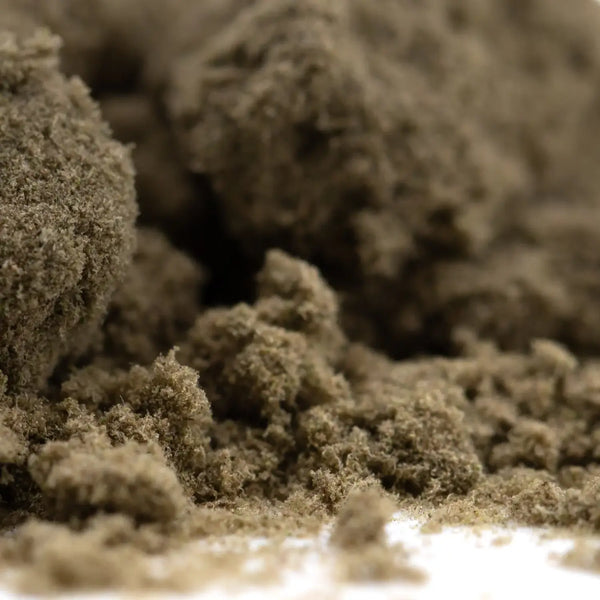
At first glance, THCA kief looks deceptively simple — a fine, golden dust that settles at the bottom of a grinder or collects on a screen. But behind that powdery appearance lies one of the most nuanced and technically demanding processes in hemp concentrate production. Getting kief right requires an understanding of plant biology, precision equipment, temperature control, and harvesting technique — and getting it wrong at any step means sacrificing potency, purity, or yield.
This is not a process that rewards shortcuts. The finest THCA kief production begins weeks before a single gram of flower touches a screen, starting with genetics, cultivation practices, and careful post-harvest curing. What ends up in the final product — whether it's a mediocre half-melt or an exceptional six-star full melt kief — is a direct result of every decision made along the way.
Whether you're a consumer trying to evaluate what you're buying, a wholesale buyer sourcing premium product for your shop, or someone simply curious about what goes into making high-grade concentrate, understanding the science behind trichome collection will change how you look at this product entirely.
Let's break it all down — from the anatomy of a single trichome to the differences between artisan hand-sifting and commercial drum sifting, from grading systems to the variables that separate average kief from the best in the market.
It Starts Before the Screen: Why Source Flower Is Everything
Every conversation about how is THCA kief made has to begin with the flower — because the flower is everything. The quality ceiling of any kief batch is set entirely by the starting material. There is no technique, no equipment, and no post-processing step that can compensate for inferior source flower.
Hemp trichomes are produced by the plant as a defense mechanism against pests, UV radiation, and environmental stressors. High-stress cultivation environments — within reason — can stimulate greater trichome production. But more fundamentally, trichome density is a genetic trait. Some cultivars are simply built to produce more resin than others, and those are the cultivars that premium kief producers seek out.
What Makes a Good Kief Source Strain?
The ideal source cultivar for THCA kief production checks several boxes simultaneously:
High THCA content at the flower level. Strains testing above 20% THCA at harvest provide the cannabinoid density needed to produce potent kief. Lower-potency starting material yields lower-potency kief, no matter how good the technique.
Dense trichome coverage across the bud surface. Trichome density — not just total cannabinoid percentage — directly determines yield. A strain with heavy surface coverage provides more separable material per gram of flower.
Robust terpene production. THCA kief is a full-spectrum concentrate, meaning terpenes and minor cannabinoids are preserved alongside THCA. High-terpene cultivars produce kief with more pronounced flavor and aroma — a major factor in premium grading.
Cultivation environment. Indoor and greenhouse-grown flower consistently outperforms outdoor for kief production because controlled environments allow for more precise management of light, humidity, and feeding — all of which influence trichome development. Outdoor flower can be used for kief production, but the results are typically less consistent.
Harvest timing. This is one of the most critical variables in the entire supply chain. Trichome maturity at harvest directly affects both potency and kief quality. Under a jeweler's loupe or digital microscope, trichome heads that are clear are immature; milky-white heads indicate peak THCA content; and amber heads signal that THCA is beginning to degrade into other compounds. Most premium kief producers target harvest at peak milky-white to early amber for optimal potency.
Post-harvest drying and curing. Hemp trichomes are delicate. Improper drying — too fast, too hot, or too humid — degrades trichomes before they ever reach a screen. A slow, controlled dry followed by a proper cure (typically 2–4 weeks in sealed containers with regular burping) preserves trichome integrity and the terpene content that makes kief flavorful and effective.
The bottom line: producers who cut corners on flower quality cannot produce premium kief. Period.
The Anatomy of a Trichome: Understanding What You're Separating
To truly understand trichome collection, you need to understand what a trichome actually is — and why the goal of kief production is to collect one specific part of it.
Hemp plants produce three types of trichomes:
Bulbous trichomes — The smallest type, barely visible to the naked eye, scattered across the surface of leaves and stems. These contain some cannabinoids but are too small to contribute significantly to kief yield.
Capitate-sessile trichomes — Slightly larger, with a small head and short stalk. Present in greater numbers, especially on fan leaves, but still not the primary target.
Capitate-stalked trichomes — The large, mushroom-shaped glands that cover the surfaces of flower buds, sugar leaves, and bracts. These are the primary targets of kief extraction. Each one consists of:
- A stalk — A thin, elongated structure that anchors the trichome to the plant surface. The stalk contains minimal cannabinoid content and is essentially inert from a potency standpoint.
- A head (capitulum) — The bulbous, globe-shaped tip where the magic happens. Inside the trichome head, a cluster of secretory cells produce and store THCA, terpenes, flavonoids, and other cannabinoids. This is the part you want.
The goal of any kief extraction method is to physically separate trichome heads from everything else: stalks, plant matter, leaf fragments, and debris. The cleaner this separation, the higher the purity — and the higher the purity, the better the kief.
This is why mesh screen micron size matters so much. Trichome heads on hemp plants typically range from 70 to 120 microns in diameter. Screen sizes are calibrated to allow heads to pass through while stopping larger material (plant matter, stalks) or catching heads while letting smaller debris fall through. Choosing the right screen size — or the right progression of screen sizes — is the central technical challenge of dry sift kief production.
Method 1: Grinder Collection — Simple but Limited
The most accessible form of how to make kief for home users involves nothing more than a quality multi-chamber herb grinder. A good grinder includes a fine mesh screen between the grinding chamber and a lower collection chamber. As flower is ground, trichomes break free and sift downward through the screen, accumulating in the kief catcher below.
Over the course of grinding several grams — often 5 to 10 grams or more — a visible, usable layer of kief builds up. Scraping it out with a small tool gives you a small but real supply of concentrate.
What grinder collection does well: It's effortless. There's no additional equipment to buy beyond the grinder itself, and the process is completely passive. The kief that accumulates this way retains a reasonably intact terpene profile because it hasn't been aggressively agitated.
What grinder collection doesn't do well: Purity and yield are both limited. Grinder screens are typically a single pass and not fine enough for rigorous separation — meaning plant material and trichome stalks pass through alongside trichome heads. The resulting kief is often a 2–3 star product at best. Yield is also slow and dependent entirely on grinding volume.
For personal use, grinder collection is perfectly fine. For producing full melt kief at any meaningful scale, you need a more deliberate approach.
Method 2: Dry Sifting — The Artisan's Approach
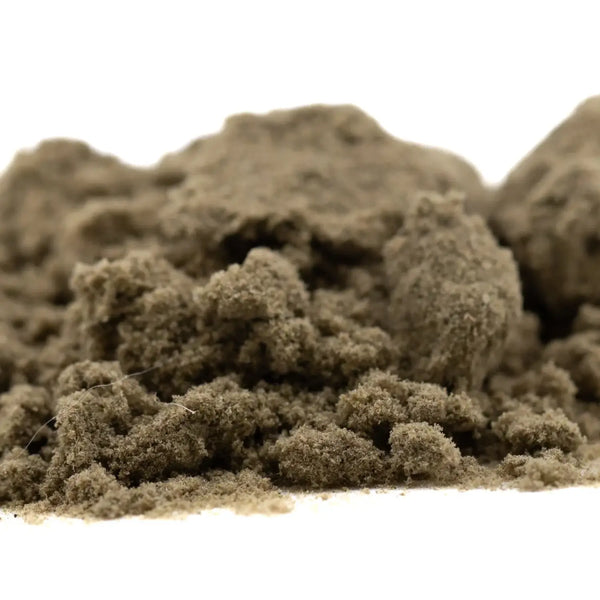
Dry sift kief production is the foundation of artisan kief making, and it remains the method of choice for producers prioritizing purity and flavor above all else. The concept is straightforward: dried, cured hemp flower is worked across a series of stacked mesh screens with progressively finer micron ratings, and each pass refines the purity of the collected material.
The Multi-Pass Screen Progression
A typical multi-pass dry sift setup might use three or four screens in sequence:
First pass — 160 microns: The flower is worked over a 160-micron screen. This first pass removes large plant debris — stem fragments, leaf pieces, and anything larger than a trichome. The material that falls through includes a mix of trichomes, smaller debris, and some plant matter.
Second pass — 120 microns: The collected material from the first pass is run over a 120-micron screen. This removes more plant matter and begins to concentrate the trichome content of the material.
Third pass — 75–90 microns: This is the critical refinement stage. A 75 to 90-micron screen is calibrated to allow trichome heads (which typically range from 70 to 120 microns) to pass through while catching larger debris. The material collected at this stage is significantly purer than what came off the first screen.
Optional fourth pass — 45–70 microns: Some producers add an additional ultra-fine pass to further concentrate only the smallest, most intact trichome heads. This stage produces the highest-purity material but the lowest yield — the tradeoff that defines top-shelf kief.
Technique Matters
The physical motion used during hand sifting has a significant impact on purity. Aggressive back-and-forth scrubbing produces higher yield but forces more plant material through the screen. Gentle, circular or sweeping motions with a silicone card or scraper produce lower yield but cleaner material. Experienced dry sifters learn to read the color of the collected material as a real-time quality indicator — the purer the kief, the lighter and more golden it appears. Darker green coloration signals the presence of chlorophyll-rich plant matter, a sign of lower-grade material.
The Temperature Factor
Temperature is a variable that separates skilled dry sift kief producers from casual ones. Trichome resin is naturally viscous and sticky at room temperature. When warm, trichomes can smear rather than break cleanly, causing them to bond to plant matter and screen surfaces rather than falling through cleanly. Cold trichomes, by contrast, become brittle and break off cleanly, dramatically improving both yield and purity.
This is why serious dry sift operations often work in cold rooms, air-conditioned spaces, or during cooler hours of the day. Some producers even refrigerate their screens and tools before a sift session. Every degree matters.
Method 3: Tumbler and Drum Sifting — Scaling Up
When THCA kief production moves to commercial scale, hand sifting becomes impractical. A single operator hand-sifting can process a few hundred grams per session. A commercial operation might need to process hundreds of pounds per week. That's where tumblers come in.
How Tumblers Work
A tumbler — also called a drum sifter — is a rotating drum lined with mesh screen at a specific micron rating. Dry hemp flower is loaded into the drum, which then rotates slowly, tumbling the flower against the screen surface. As the drum rotates, trichomes break free from the plant material and fall through the screen into a collection tray below.
The basic principle is identical to hand sifting — mechanical agitation causes trichomes to separate from plant matter, and a mesh screen filters by size. The advantage is volume. Automated tumblers can process far more material per hour than any number of human operators working by hand.
Commercial tumbler operations typically run multiple passes, similar to hand sifting, using drums with different screen sizes to progressively refine the material.
Temperature Control in Commercial Tumbling
The cold-sifting principle that applies to hand sifting applies equally — arguably more so — to commercial tumbling. Mechanical agitation at scale generates heat, and heat causes trichome resin to become sticky, which reduces purity. Commercial producers address this in several ways:
- Running sifting operations in temperature-controlled cold rooms, often kept between 40°F and 55°F
- Pre-chilling flower before loading into tumblers
- Incorporating dry ice into the process to maintain low temperatures throughout the run
This brings us to the most advanced technique in the kief extraction method toolkit.
Dry Ice Sifting — Cold Precision at Scale
Dry ice sifting is a specialized technique used by premium producers who want the efficiency advantages of tumbler sifting with the purity advantages of cold-temperature processing. Dry ice — solid carbon dioxide, at approximately -109°F (-78°C) — is added directly to the flower before and during sifting.
At these extreme temperatures, hemp trichomes become exceptionally brittle. They snap off from the plant surface at the lightest touch, rather than bending or smearing. This results in cleaner separation, higher purity, and faster sifting compared to room-temperature or mildly chilled processing.
The tradeoff is that dry ice temperatures can sometimes crack trichome stalks rather than just separating heads at the natural break point — which can introduce stalk material into the collected kief, slightly reducing purity compared to the most careful warm hand-sifting techniques. Experienced producers calibrate the amount of dry ice, the duration of exposure, and the agitation intensity to find the sweet spot between efficiency and purity.
For full melt kief production, even this tradeoff is carefully managed. Only producers who understand the variables at a granular level can consistently produce six-star product using dry ice methods.
Grading Kief Quality: The Six-Star Scale
Once kief is collected, it needs to be evaluated. The industry uses a six-star grading system based primarily on purity — specifically, on how completely the kief vaporizes when heated.
1–2 Stars: Low-grade kief with significant plant matter contamination. Appears greenish or dark. Leaves heavy residue when smoked or dabbed. Best used for pressing into lower-quality hash or infusing into edibles where absolute purity isn't required.
3–4 Stars (Half-Melt): Kief purity is moderate. When placed on a hot nail or screen, it bubbles and partially vaporizes but leaves noticeable residue behind. Still suitable for topping bowls, rolling into joints, or pressing into hash. Most commercially available kief falls in this range.
5–6 Stars (Full-Melt): This is the pinnacle. Full melt kief is so pure that it vaporizes almost completely when dabbed, leaving minimal or no residue. It bubbles uniformly, flows cleanly, and produces smooth, flavorful vapor. True six-star full-melt is rare and commands a significant premium. Achieving it consistently requires premium source material, cold-temperature multi-pass sifting, and exceptional handling care throughout the entire process.
The dry sift vs bubble hash debate is relevant here: bubble hash (made using ice water rather than mechanical sifting) can achieve similar purity levels through a different mechanism, but top-tier dry sift kief and bubble hash both compete in the full-melt category. Both have their advocates, and both require mastery to produce at the highest levels.
Key Variables That Determine Kief Quality
Understanding how is THCA kief made at a high level is one thing. Understanding the specific variables that determine whether that kief is mediocre or exceptional is what separates informed buyers from everyone else.
Source flower THCA content. This sets the ceiling on kief potency. High-THCA source material produces high-THCA kief. There is no workaround.
Trichome maturity at harvest. Trichome heads harvested at peak milky-white stage contain maximum THCA. Harvesting too early (clear heads) or too late (fully amber) reduces potency and changes the cannabinoid profile.
Dryness and cure of the flower. Over-wet flower smears during sifting and dramatically reduces purity. Under-cured flower may retain harsh compounds that affect flavor. Proper water activity — the technical measure of moisture in cured flower — is essential for clean separation.
Mesh screen micron size and pass count. More passes through finer screens produce higher-purity material with lower yield. Fewer passes produce higher yield with lower purity. The producer's philosophy on this tradeoff determines the quality tier of their product.
Temperature during sifting. This cannot be overstated. Cold sifting consistently produces cleaner, higher-purity kief. Room-temperature sifting produces higher yield with lower purity. No professional kief producer who prioritizes quality ignores temperature.
Handling care throughout the process. Trichome heads are fragile. Excessive agitation, rough handling, or exposure to heat and light degrades them. Every unnecessary touch point in the process is an opportunity to damage the product. The best kief producers treat their trichomes with the same care a glassblower gives to a finished piece.
Storage conditions. Once collected, kief should be stored in airtight containers, away from light and heat, ideally in a cool environment. Exposure to UV light, oxygen, and warmth degrades THCA over time. Proper storage maintains potency and terpene integrity from production to consumption.
Dry Sift vs. Bubble Hash: A Quick Comparison
Since dry sift vs bubble hash is a question that comes up frequently, it's worth a brief side-by-side.
Both are solventless concentrates that rely on physical separation rather than chemical extraction. Both preserve the full-spectrum cannabinoid and terpene profile of the source material. The key differences:
Process: Dry sift kief uses dry flower and mechanical agitation over mesh screens. Bubble hash uses ice water and agitation to separate trichomes, which are then collected on filter bags.
Yield: Bubble hash typically achieves slightly higher trichome recovery because water facilitates cleaner separation in some situations.
Purity ceiling: Both methods can achieve full-melt grades with exceptional starting material and technique.
Texture and form: Dry sift kief remains a powder until pressed or heated. Bubble hash is typically collected as a wet slurry and then dried into a pliable or crumbly consistency.
Flavor profile: Many connoisseurs argue that dry sift kief retains a slightly more delicate terpene expression, while bubble hash can be more robust and concentrated in aroma.
Both are excellent products. For consumers evaluating quality, the six-star grading system applies to both, and the same principles of source material quality and production technique determine the outcome in either case.
Frequently Asked Questions
What is THCA kief? THCA kief is a powdery concentrate made by separating the trichome heads from hemp flower. It contains high concentrations of THCA — the non-intoxicating acidic precursor to THC — along with terpenes and minor cannabinoids, making it a potent, full-spectrum product.
How is THCA kief different from regular kief? THCA kief specifically refers to kief derived from high-THCA hemp cultivars — strains that test above 0.3% Delta-9 THC but often contain 20–30%+ THCA. Regular kief is a general term that applies to any kief regardless of cannabinoid profile. THCA kief is distinguished by its potency and the fact that it converts to THC upon decarboxylation (heating).
Is THCA kief legal? THCA kief derived from hemp flower that complies with the 2018 Farm Bill — meaning the source plant tested below 0.3% Delta-9 THC on a dry weight basis — is federally legal. State laws vary, so always check your local regulations before purchasing or possessing hemp-derived concentrates.
What is the difference between half-melt and full-melt kief? Kief purity is graded on a six-star scale. Half-melt (3–4 stars) bubbles when heated but leaves residue behind. Full melt kief (5–6 stars) vaporizes almost completely with minimal residue, indicating extremely high trichome head purity.
How do I use THCA kief? THCA kief can be sprinkled on top of bowls or rolled into joints for added potency, pressed into hash using a pollen press or heat, dabbed on a nail (full-melt grades perform best this way), or used in cooking and edibles after decarboxylation.
What micron screen makes the best kief? The optimal mesh screen micron size depends on the trichome size of your specific source material, but a 75–90 micron screen on the final pass is a widely used standard for high-purity dry sift kief. Finer screens (45–70 microns) produce even higher purity but at significantly lower yield.
Can any hemp flower be used to make kief? Technically yes, but quality varies dramatically. Only high-trichome, high-THCA cultivars that have been properly dried and cured will produce premium-grade kief. Using low-trichome or improperly cured flower produces low-grade material regardless of technique. As a rule: the better the flower, the better the kief.
How should I store THCA kief? Store THCA kief in an airtight glass or silicone container, away from light, heat, and humidity. A cool, dark drawer or a refrigerator works well. Avoid plastic containers, which can cause static that makes kief stick to surfaces and degrade over time.
Conclusion: Science, Craft, and the Pursuit of Purity
The question of how is THCA kief made has a layered answer — one that spans genetics, botany, physics, and craftsmanship. It starts in a carefully managed cultivation environment where high-THCA cultivars are grown to produce maximum hemp trichomes. It continues through a precise harvest, a slow cure, and a deliberate kief extraction method that separates delicate trichome heads from everything else. It ends with a product that, at its finest, fully vaporizes on a nail and delivers everything the plant has to offer in concentrated form.
Understanding this process helps you make better purchasing decisions. It explains why premium THCA kief commands a higher price — not because of marketing, but because of the real costs of sourcing exceptional flower, running multi-pass cold-temperature sifts, and maintaining the production standards that produce five- and six-star material. And it gives you a framework for evaluating what you're buying: the color, the melt, the aroma, and the purity are all readable indicators of the care that went into production.
THCA kief production is where plant science meets artisan craft. When it's done right, the result is one of the most potent, flavorful, and enjoyable solventless concentrates available in the hemp market — a product worth understanding and worth seeking out.


