


How to Use THCA Trim: 7 Ways to Get the Most Out of It
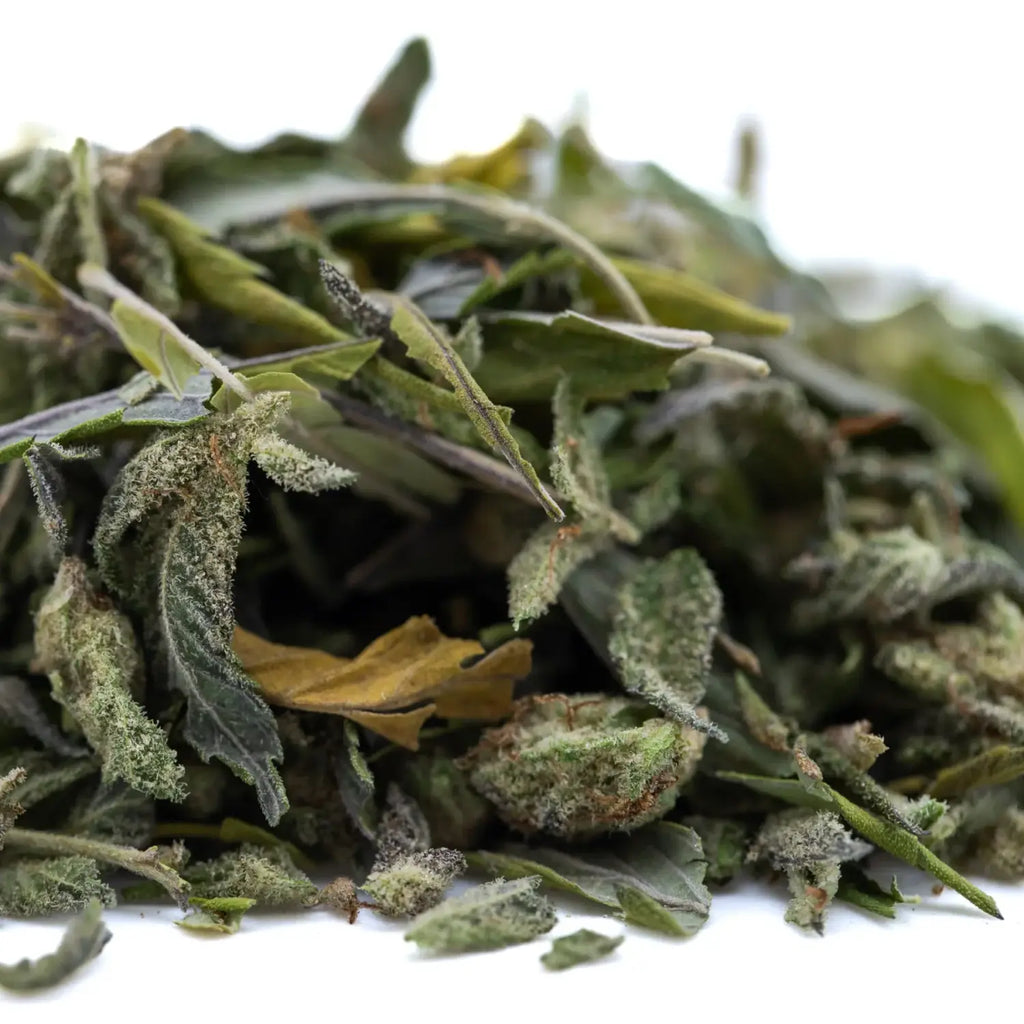
THCA trim is one of the most underrated products in the hemp market right now — not because it lacks quality, but because most buyers don't fully understand what they're working with or what it can produce. Walk into any conversation about hemp flower and trim rarely gets top billing. That changes the moment you understand what's actually sitting in those sugar leaves and secondary plant material: trichomes loaded with THCA, the same cannabinoid found in premium indoor flower, just distributed differently across the plant.
The reality is that THCA trim uses span nearly every major consumption and production method in the market. From solventless extraction to cooking to rolling, trim is a genuinely versatile input material that rewards buyers who know what to do with it. And at a fraction of the price per gram compared to top-shelf flower, the economics make it worth learning.
This guide covers seven proven methods for using THCA trim effectively — whether you're a home enthusiast stretching your supply or a wholesale buyer building out a processing operation. Each method includes practical guidance, tips for better results, and an honest look at what the process requires.
What Is THCA Trim and Why Does It Matter?
Before getting into the methods, it helps to understand what trim actually is. Trim is the plant material removed during the harvest and post-harvest process — primarily sugar leaves (small leaves that grow directly out of the bud), fan leaf fragments, small popcorn buds, and stems. Sugar leaves are the most valuable component because they're coated in trichomes, the resin glands that produce THCA, CBD, terpenes, and other cannabinoids.
The trichome density of trim is lower than that of cured flower, but the sheer volume of trichomes present across bulk trim makes it an excellent extraction input. A pound of quality THCA trim can yield meaningful quantities of kief, hash, or rosin — and at wholesale trim pricing, the math on a per-gram-of-extract basis often beats buying flower outright.
If you're sourcing THCA trim for extraction or processing, look for trim described as "sugar leaf heavy" with a THCA percentage listed on the COA. Trim with 10–18% THCA by dry weight is solid working material for most of the methods below.
1. Dry Sift It Into Kief
Dry sifting is the most accessible entry point into THCA trim kief production. It requires no solvents, no heat, and no expensive equipment — just a set of fine mesh screens and some cold trim.
The process works by agitating trim over screens measured in microns. As the trim is tumbled or gently worked back and forth, the trichome heads break off the plant material and fall through the screen. What you collect underneath is kief — a powdery, golden concentrate that's significantly more potent than the source material.
What You Need:
- Dry sift screens in multiple micron sizes (73, 120, and 160 micron are the standard stack)
- A clean, flat work surface
- Gloves to prevent skin oils from contaminating your yield
- A cold environment or access to a freezer
How to Get Better Results:
Temperature matters enormously in dry sifting. Cold trichomes are brittle and snap off cleanly; warm trichomes are sticky and tend to cling to plant material rather than falling through the screen. Before you start, freeze your trim for at least two to four hours. Work in a cool room — or work quickly if your environment is warm.
Use a multi-stage screening approach for the cleanest output. Start with your largest screen (160 micron), collect what falls through, then run that material over the 120 micron screen, and finally over the 73 micron screen. The kief collected at the finest level is the purest — fewer plant contaminants, more trichome heads. Kief collected at the coarser levels is still excellent for adding to joints or pressing into hash.
What to Do With the Kief:
Trim kief can be pressed into hash pucks using a pollen press, added to the top of bowls or joints for a potency boost, used as a rolling surface for moonrocks, or pressed into rosin using the method described in section three. It stores well in a sealed, airtight container in a cool, dark environment.
2. Make Bubble Hash (Ice Water Extraction)
Ice water extraction — commonly called bubble hash or water hash — is the gold standard solventless process for converting bulk trim into a premium-quality concentrate. The process uses ice water to freeze trichomes and agitation to knock them loose, then separates them by size using a series of mesh "bubble bags."
THCA trim methods don't get much more effective than bubble hash for processing large volumes. The extraction is forgiving in the sense that you can run significant quantities of trim per batch, and the results scale well.
Basic Bubble Hash Process:
- Fill a clean bucket with cold water and a generous amount of ice
- Add your THCA trim — frozen trim works best here as well
- Agitate the mixture for 15–20 minutes (manually with a large spoon, or with a drill mixer attachment for larger batches)
- Pour the slurry through a stack of bubble bags arranged from largest micron at the top to smallest at the bottom
- Collect the hash from the inside of each bag, where trichomes have been caught by the mesh
- Dry the collected hash thoroughly before storing — wet hash can mold rapidly
Reading the Yield by Bag:
Each micron level in the bag stack captures different sizes of trichome heads and plant material. The 70–120 micron range typically yields the highest quality material — often described as "full melt" hash, meaning it vaporizes completely when dabbed with minimal residue. Material from the 25–45 micron range tends to be the finest and most refined. Lower-quality material at the upper micron levels (150–220 micron) contains more plant contaminants and is better suited for pressing into rosin or cooking applications.
Volume Is the Advantage:
Bubble hash is particularly well-suited to THCA trim for extraction at scale. The more trim you can run per batch, the better your economics. Wholesale buyers purchasing trim by the pound or by the case can process meaningful quantities of hash that would cost significantly more in the form of finished concentrates.
3. Press Rosin From It
Rosin is a solventless concentrate made by applying heat and pressure to cannabis material — squeezing the resin out directly without chemicals, solvents, or complex equipment. THCA trim for extraction via rosin press is one of the most practical at-home methods because the barrier to entry is low and the results are tangible.
Equipment Options:
- A dedicated rosin press (ranging from small personal units to large industrial presses)
- A hair straightener for very small test batches (not efficient at scale, but useful for experimenting)
- 90–120 micron rosin filter bags to contain plant material during pressing
Trim Rosin vs. Flower Rosin:
Trim rosin typically yields 3–8% by weight compared to 15–25% for quality flower. The yield gap is real, but trim's dramatically lower cost per pound often makes the economics favorable. A pound of trim that yields 5% rosin still produces 22–25 grams of concentrate, which at market pricing represents solid value per dollar invested.
One common challenge with trim rosin is chlorophyll contamination — the green pigment in leaves can pull into the final product at higher temperatures, giving it a darker color and a more plant-forward flavor. Keeping press temperatures in the 160–190°F range minimizes this issue, as does pre-washing the trim as bubble hash before pressing.
Hash Rosin: The Premium Route:
The best application for trim in a rosin workflow is actually a two-step process: make bubble hash from the trim first, then press the hash into rosin. This is called hash rosin, and it's one of the most sought-after concentrates in the market. The bubble hash step removes most of the plant material, so the rosin press is working with a purer input — yielding a cleaner, more flavorful, higher-quality final product.
4. Roll It Into Joints (Blended With Flower)
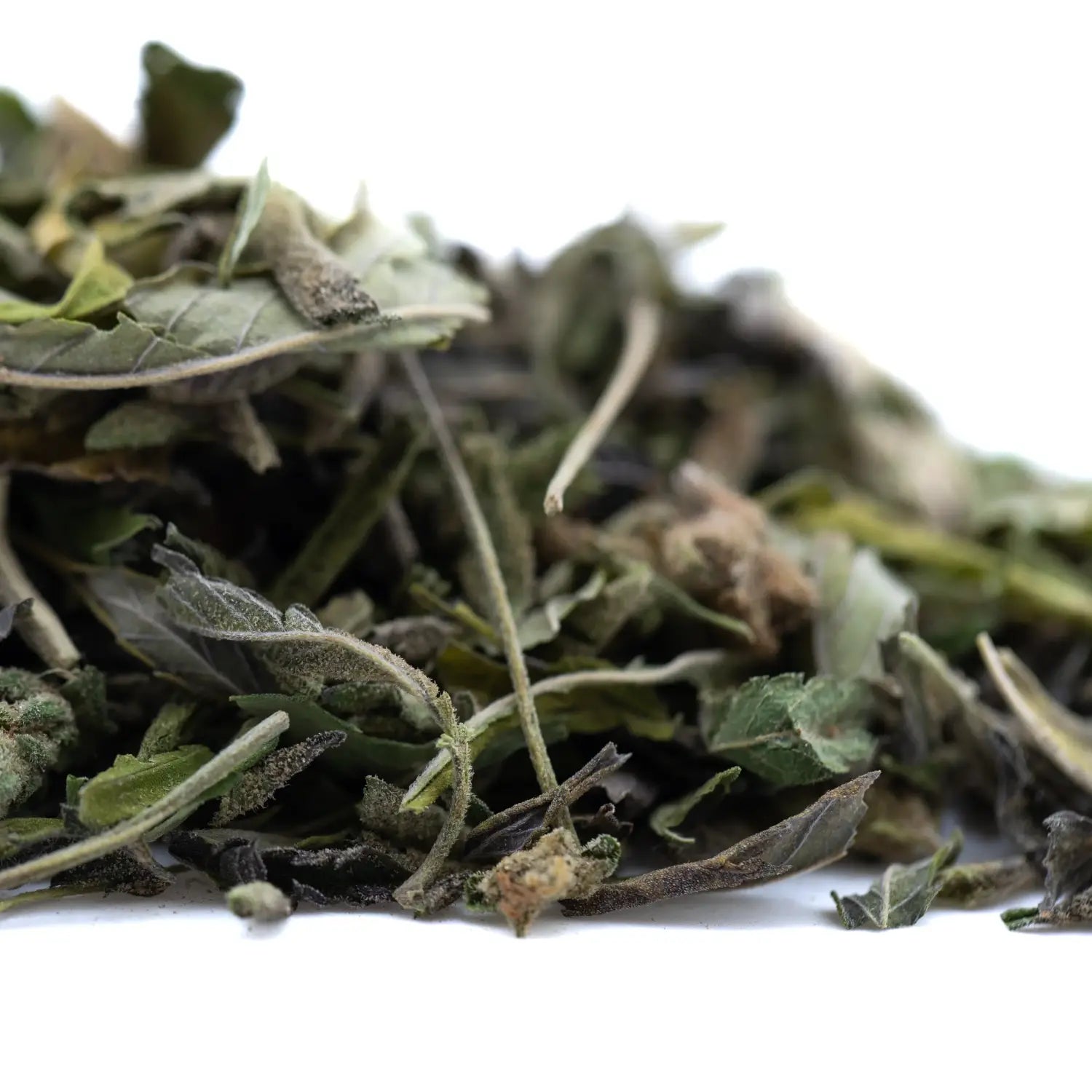
THCA trim joints are one of the simplest and most direct THCA trim uses. Trim isn't the ideal solo smoke — on its own it tends to burn fast, run hot, and taste harsh due to the higher leaf content — but blended strategically with THCA flower or shake, it becomes a cost-effective and genuinely enjoyable smoke.
The Blend Ratio:
A 1:2 ratio of trim to flower is the practical standard for most smokers. At this ratio, the flower carries the flavor profile and helps the joint burn evenly, while the trim extends the volume and contributes its THCA content to the overall potency. For buyers who are cost-conscious or rolling in high volume — for events, pre-roll production, or personal stockpiling — a 1:3 or even 1:4 ratio still produces a reasonable result.
Rolling Tips:
- Break apart any larger trim pieces before rolling — clumps create hot spots and uneven burns
- Always use a crutch or filter tip; trim is finer than ground flower and pulls through easily without one
- Roll slightly looser than you would with an all-flower joint — trim can compact and restrict airflow
- Add a pinch of your dry-sifted kief to the blend for a potency and flavor boost without changing the roll
Pre-Roll Applications:
For buyers producing pre-rolls at volume, blended trim and flower joints represent a significant cost advantage over all-flower pre-rolls. The finished product is legitimate, smokeable, and effective — it just requires a bit of technique in the blend ratio and roll tension. Some producers label these honestly as "trim blends" or "shake and trim pre-rolls," which have their own consumer market among price-conscious buyers.
5. Decarb It and Make Edibles
THCA trim edibles are one of the most popular downstream applications for trim — and for good reason. When you heat THCA, it undergoes decarboxylation, a chemical reaction that converts the non-psychoactive acidic form (THCA) into Delta-9 THC. That Delta-9 THC can then be infused into fat-soluble carriers like butter or oil and used in any recipe you'd normally make with cannabutter or canna-oil.
How to Decarboxylate THCA Trim:
- Preheat your oven to 220–240°F — lower than many guides suggest, but important for preserving terpenes and avoiding over-decarbing
- Spread trim in a single, even layer on a parchment-lined baking sheet
- Bake for 30–45 minutes, stirring once or twice during the process
- The trim will darken slightly and develop a toasted, earthy aroma — that's the sign it's done
Making Cannabutter From Trim:
Once decarbed, combine your trim with unsalted butter and a small amount of water in a saucepan. Simmer on low heat (never boiling — around 160–180°F) for two to four hours, stirring occasionally. The water helps regulate temperature and prevents scorching. After cooking, strain the mixture through cheesecloth into a glass container and refrigerate. The butter will solidify on top, and any remaining water can be drained off.
Dosing Considerations:
Because trim is less potent per gram than flower, you'll use more material per batch to achieve the same effect. If your trim COA shows 12% THCA, and you're starting with 28 grams (one ounce), you're working with roughly 3,360mg of THCA, which converts to approximately 3,000mg of Delta-9 THC after decarboxylation accounting for conversion loss. That's a significant quantity — more than enough for a large batch of edibles, and at trim pricing, far more economical than using flower.
6. Make THCA Tinctures
What to do with THCA trim when you want a daily use product rather than a smoke or edible? Make a tincture. Tinctures are one of the most efficient and precise delivery formats you can produce from trim, and they're far simpler to make than most people assume.
Raw vs. Decarbed Tincture:
The choice to decarb or not changes the end product fundamentally. A raw tincture made from unheated trim preserves THCA in its acidic form — non-psychoactive, but with its own set of properties that make it popular in wellness circles. If you want a psychoactive tincture that delivers Delta-9 THC effects, decarb your trim first using the process described above.
Basic Tincture Method:
- Pack your decarbed (or raw) THCA trim loosely into a clean glass jar
- Pour food-grade grain alcohol over the trim — 190-proof Everclear is the standard choice
- Seal the jar and let it soak for 24–48 hours, shaking gently once or twice per day
- Strain the mixture through cheesecloth or a fine mesh filter, then through a coffee filter for clarity
- Transfer the finished tincture into a dark glass dropper bottle and store away from light and heat
Faster Extraction Option:
For a quicker method, use the QWET (Quick Wash Ethanol) or QWISO technique — freeze both the trim and the alcohol, then combine them for a very short wash (only 2–3 minutes of contact time before straining). Short washing time means less chlorophyll extraction, producing a cleaner, lighter-colored, better-tasting final product.
Tinctures allow for precise dosing and flexible use — sublingual dosing for faster onset, adding to beverages or food, or blending into other formulations. They're one of the best ways to use THCA trim if product versatility is your priority.
7. Infuse It Into THCA Oil
Oil infusion is closely related to making cannabutter but offers some distinct advantages: longer shelf life, easier capsule production, broader culinary applications, and compatibility with topical use. Coconut oil and MCT oil are the two most popular choices because their saturated fat content maximizes cannabinoid absorption.
THCA Trim Methods for Oil Infusion:
Slow cooker method (best for large batches):
- Decarb your trim using the oven method above
- Combine decarbed trim with coconut oil in a slow cooker — a 1:1 ratio by weight is a practical starting point
- Cook on the "low" setting (around 160–200°F) for four to six hours
- Stir periodically and keep the lid slightly ajar to prevent moisture buildup
- Strain through cheesecloth into a heat-safe container, pressing the plant material firmly to extract all the oil
- Store sealed in a cool, dark location — coconut oil infusions can last several months refrigerated
Uses for THCA-Infused Oil:
- Capsules: Fill empty gelatin or vegetable capsules with infused coconut oil for consistent, portable dosing
- Cooking: Use as a direct substitute for regular oil in any savory or sweet recipe
- Topicals: Apply directly to skin for localized use — not psychoactive when used topically, but THCA and other cannabinoids interact with skin receptors
- Coffee and beverages: A small amount of MCT-infused oil blended into coffee or a smoothie dissolves more readily than coconut oil and doesn't alter flavor significantly
Choosing the Right Method for Your Goals
How to use THCA trim most effectively comes down to matching your method to your objective. Here's a quick decision framework:
If potency is the priority without high cost: Dry sifting and bubble hash deliver the most THCA per dollar invested. Both are solventless, relatively simple to learn, and produce concentrates that can be used immediately or processed further.
If you want a premium, market-ready concentrate: Rosin — and especially hash rosin made from trim-derived bubble hash — is the cleanest, most flavorful output. The two-step process requires more time and equipment but produces a genuinely top-shelf product.
If you want a fast, everyday smoke: Blending trim with flower for joints is the lowest-effort method and the quickest path from raw material to usable product. It doesn't require any processing equipment and can be done immediately.
If you want to cook: Decarboxylation followed by cannabutter or oil infusion is the most flexible production pathway. A single batch of infused butter or oil can be used across dozens of recipes and stored for weeks or months.
If you want a daily wellness product: Tinctures are the most precise and portable format. Raw tinctures preserve THCA in its original form; decarbed tinctures convert it to Delta-9 THC for psychoactive effects.
The most sophisticated trim operations combine multiple methods — running bubble hash first, pressing the best hash into rosin, using the lower-grade hash and remaining plant material for edibles or tinctures. Nothing goes to waste, and every gram of trim contributes to a different product category.
Frequently Asked Questions
Can you smoke THCA trim straight without blending it?
Yes, you can smoke trim directly, but the experience is typically harsher than flower. Trim burns faster and hotter due to the higher leaf content, and the flavor is more plant-forward. Blending with flower at a 1:2 or 1:3 ratio produces a noticeably better smoke. If you want to use trim for smoking without blending, consider dry sifting it into kief first and smoking that instead.
How much kief can you expect from a pound of THCA trim?
Yield varies significantly based on the quality of the trim and the efficiency of your screen setup, but a reasonable expectation for dry-sifted trim kief is 3–8% by weight. A pound of quality sugar-leaf trim might yield 15–35 grams of kief at the 73 micron level. Running the remaining material again with coarser screens captures additional, lower-grade kief.
What THCA percentage should I look for in trim?
For extraction purposes, look for trim with a COA showing at least 10% THCA by dry weight. Trim in the 12–18% range is excellent working material. Anything above 18% is exceptional and will yield well across all methods. Always request a current Certificate of Analysis from the supplier and verify that the testing was done by an ISO-accredited third-party lab.
Is THCA trim legal to buy and use?
Under the 2018 Farm Bill, hemp-derived THCA trim is legal at the federal level as long as the source material meets the delta-9 THC compliance threshold. State laws vary, so it's important to check your state's specific hemp regulations. When purchasing, always confirm that the trim comes with compliant COA documentation.
Can THCA trim be used for commercial edible production?
Yes, and it's commonly used in this context because of the cost advantage. For commercial production, ensure your trim source provides batch-level COAs, uses consistent processing standards (machine-trimmed vs. hand-trimmed affects trichome density), and can provide the volume you need consistently. Wholesale trim buyers building edibles operations should negotiate pricing around consistent, repeat supply.
What's the difference between trim and shake?
Shake is the loose flower and small bud fragments that fall off during handling and storage — it's essentially flower in a different form. Trim is the material actually cut away from the bud during the trimming process — sugar leaves, small stems, and sometimes popcorn buds. Shake is generally closer to flower in potency; trim tends to be less potent per gram but produces better extraction yields per dollar due to lower cost.
How should I store THCA trim before processing it?
Store trim in airtight containers in a cool, dark environment. For long-term storage before extraction, vacuum-sealing and freezing trim preserves trichome integrity well. Frozen trim is also better for dry sifting and bubble hash, so storing it frozen serves double duty. Avoid storing trim in humid conditions — moisture promotes mold growth, which can ruin an entire batch quickly.
Final Thoughts
Using THCA trim effectively isn't complicated once you understand the fundamentals. The material you're working with is rich in THCA, terpenes, and minor cannabinoids — the same building blocks found in premium flower. What trim lacks in immediate smokability, it more than compensates for with versatility, volume, and cost efficiency.
The seven methods covered in this guide — dry sifting, bubble hash, rosin, blended joints, edibles, tinctures, and oil infusion — give you a complete toolkit for what to do with THCA trim at any scale. Whether you're processing a few ounces at home or sourcing pounds wholesale for commercial production, the same principles apply: match the method to your goal, work with cold material whenever possible, and never skip the COA check before purchasing.
The best way to use THCA trim is the one that fits your workflow, your equipment, and your end product goals. Start with one method, learn it well, and build from there. Trim rewards effort — the more intentional you are, the better your results.
Ready to put these methods to work? Look for THCA trim wholesale with verified COAs, high THCA percentages, and a sugar-leaf-heavy composition for the best yields across all seven applications.


